







Search Results for: Panama Blue Label Geisha

Panama Hacienda La Esmeralda Sun-Dried Geisha Comparison: What Exactly Is the Difference Between Blue Label and Green Label?
In the world of specialty coffee, the Geisha from Panama's Hacienda La Esmeralda is undoubtedly a benchmark existence. Front Street Coffee has recently simultaneously launched two Geisha offerings—the Natural Blue Label and the Natural Green Label—sparking curiosity among many coffee enthusiasts: both are naturally processed Geisha, so what exactly is the difference between the Blue Label and the Green Label? This article will begin with the origins and rise to fame of Geisha, outline the classification standards for Hacienda La Esmeralda's Red, Green, and Blue Label Geisha, and focus on comparing the similarities and differences between the Natural Blue Label and Natural Green Label in terms of altitude, production region, and flavor performance. At the same time, Front Street will also share the brewing parameters and tasting experience for the Natural Green Label, guiding you through a comprehensive understanding of the unique charm of each of these two Geisha offerings. [more…]
The Development History of Panama Hacienda La Esmeralda Geisha Coffee Beans and How to Identify the Differences Between the Red, Green, and Blue Label Geishas
Geisha coffee occupies a pivotal position in the world of specialty coffee, and the Geisha produced by Panama's Hacienda La Esmeralda is the benchmark for this variety. This article begins with the origin of the name Geisha, reviews how Hacienda La Esmeralda transformed from a dairy-focused farm into a specialty coffee mecca, and how its 2004 BOP victory rewrote the history of specialty coffee. The article focuses on sorting out the grading criteria, altitude ranges, flavor profiles, and market positioning of Hacienda La Esmeralda's three product lines: Red Label, Green Label, and Blue Label, and introduces the emergence of the "Volcanic Rock" Geisha after the discontinuation of Blue Label. Front Street Coffee also shares Geisha coffee brewing parameters and suggestions to help readers fully understand this legendary variety. [more…]
Tracing the Origin of Geisha Coffee Beans: Panama Emerald Estate Geisha Flavor and Interpretation of the Red, Green, and Blue Labels
Gesha coffee is hailed as the king of coffee, and the Geisha produced by Panama's Hacienda La Esmeralda is the benchmark among them. But do you know where the name Gesha comes from? And what are the differences between Red Label, Green Label, and Blue Label? From the perspective of Front Street Coffee, this article systematically sorts out the origin, growing conditions, and flavor performance of Panama Hacienda La Esmeralda Gesha, and analyzes one by one the characteristics and brewing suggestions of the Red Label auction lots, the Green Label private collection, and the original Blue Label lots. It will also briefly introduce the performance of Gesha from Colombia, Costa Rica, and other places, helping you understand this legendary coffee bean more comprehensively. [more…]
A Complete Guide to Geisha Coffee Bean Price Tiers: From Emerald Red Label to Volcanic Rock Blue Label – Flavor and Pour-Over Experience
Geisha coffee beans are hailed as the white moonlight of coffee lovers, conquering countless palates with their elegant and refined flavors. But what grade does Geisha actually belong to? How much does a cup cost? What are the flavor differences among different grades of Geisha? This article will analyze the price and flavor characteristics one by one, from Front Street Emerald Red Label and Green Label to Volcanic Rock Blue Label, and take an in-depth look at the cultivation background of Panama's Hacienda La Esmeralda and Deborah Estate. At the same time, we will also share the pour-over parameters and brewing techniques for Front Street Panama Geisha coffee beans, helping you understand more comprehensively the charm of this "precious" variety. [more…]
Why Is Panama Geisha Coffee Unrivaled? One Article Explains the Red, Green, and Blue Label Grades and Origin Differences
Since its breakthrough in 2004, Panama Geisha has firmly held the top spot in the specialty coffee world, becoming a name that countless enthusiasts both long for and revere. It boasts rich floral aromas and bright fruity acidity, yet its price is staggering. What exactly is Geisha's charm? Why do Geishas from Ethiopia, Costa Rica, and Panama taste so different? And how do you distinguish Hacienda La Esmeralda's Red Label, Green Label, and Blue Label? In this article, Front Street Coffee will take you through Geisha's past and present, explain the characteristics and grading standards of each origin in detail, and provide pour-over parameter suggestions to help you fully understand this legendary cup of coffee. [more…]
An In-Depth Guide to Geisha Coffee: Decoding the Red, Green, and Blue Label Classifications of Hacienda La Esmeralda and a Flavor Analysis
Geisha coffee is hailed as the king of coffee, and the Geisha produced by Panama's Hacienda La Esmeralda is the benchmark among them. This article systematically sorts out the origin of the name Geisha coffee, its stringent growing conditions, and Hacienda La Esmeralda's legendary journey from accidental discovery to winning the world championship. It focuses on interpreting the three grades of Hacienda La Esmeralda Geisha—Red Label, Green Label, and Blue Label (including the subsequent replacement lot "Volcanic Rock")—explaining one by one each tier's altitude range, production plot, processing method, and flavor performance, and includes Front Street Coffee's brewing parameters and selection advice to help coffee enthusiasts fully understand the tasting system of this top-tier coffee. [more…]
A Detailed Guide to Panama Geisha Coffee Bean Grading: What Do Red, Green, and Blue Labels Each Represent?
When Geisha is mentioned, many people first think of Hacienda La Esmeralda in Panama. Geisha originated in Ethiopia, but it rose to fame because of Hacienda La Esmeralda in Panama. However, Front Street Coffee would like to remind everyone: Ethiopian Geisha and Esmeralda Geisha are not the same variety, and their flavor profiles also differ, with Esmeralda Geisha being superior in flavor. Hacienda La Esmeralda has a strict grading system for its own Geisha coffee beans. What exactly do the commonly heard Red Label, Green Label, and Blue Label represent? This article will start from Panama's terroir conditions and the development history of Hacienda La Esmeralda, then provide a detailed analysis of the classification standards, altitude requirements, and flavor characteristics of the three grades of Geisha, along with Front Street Coffee's Geisha brewing suggestions and parameters. [more…]
A Complete Guide to Hacienda La Esmeralda Blue Label Geisha: From Estate Grades to Brewing Methods and Flavor Profile
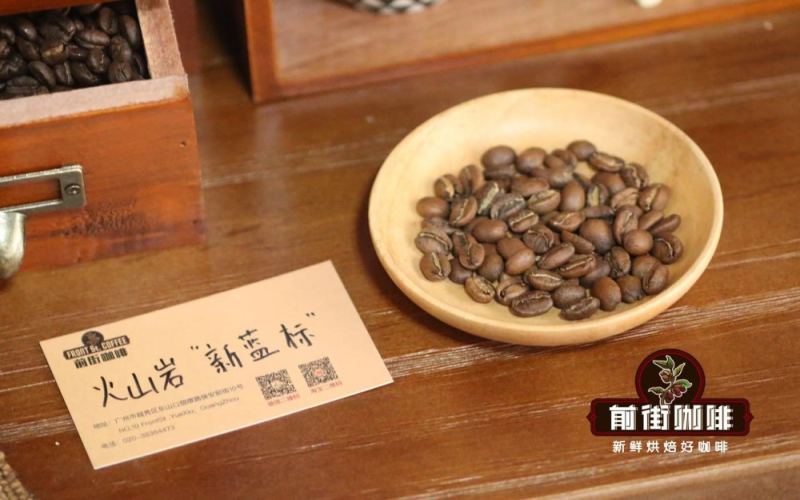
Panama's Hacienda La Esmeralda Geisha has long been the benchmark in the specialty coffee world, and its product line is divided into different grades such as Red Label, Green Label, and Blue Label based on cup quality performance and growing plots. Blue Label Geisha, or Geisha 1500, was once the entry-level choice for many coffee enthusiasts getting their first taste of Hacienda La Esmeralda Geisha. Although the estate has now discontinued this label, understanding its characteristics and history is still worthwhile. This article will walk you through the origin information and grading logic of Blue Label Geisha, compare the differences between Red Label and Green Label, and recommend several Panama Geisha products currently sold by Front Street Coffee, including the Boquete Geisha that is suitable for beginners. Whether you are a seasoned connoisseur or a newcomer to specialty coffee, you will find practical reference information here. [more…]

Tracing the Origins of Panama's BOP Competition: Hacienda La Esmeralda Geisha Red, Green, and Blue Label Grades and Their Brewing Flavor Analysis
The Panama BOP (Best of Panama) is the world's first green coffee competition. Since its inception in 1996, it has profoundly advanced the development of specialty coffee, and Hacienda La Esmeralda's Geisha shot to fame in 2004. Hacienda La Esmeralda meticulously grades its Geisha by altitude and plot, forming a three-tier system of Red Label, Green Label, and Blue Label. This article systematically reviews the origins of the BOP competition and auction, the history and plot divisions of Hacienda La Esmeralda, analyzes in detail the definitional differences between Red Label, Green Label, and Blue Label, and includes Front Street Coffee's brewing parameter recommendations and flavor descriptions, providing coffee lovers with a complete guide to Geisha knowledge. [more…]
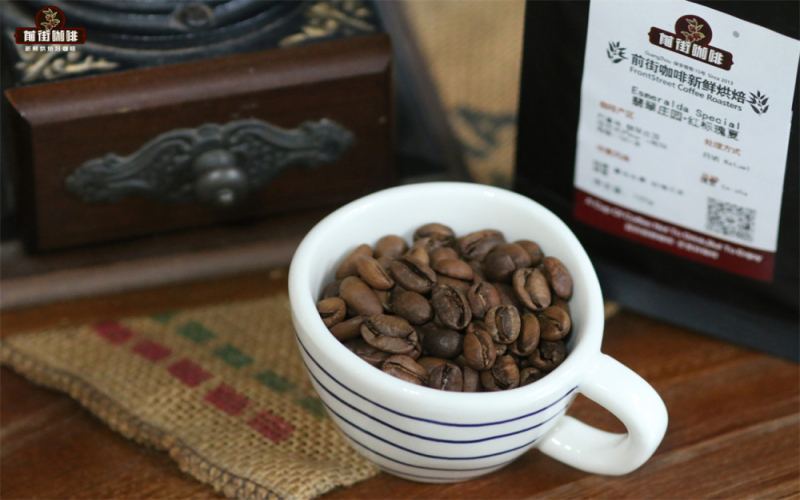
Analysis of the Grading Standards and Flavor Comparison of Panama Hacienda La Esmeralda Geisha Red, Green, and Blue Labels
Panama's Hacienda La Esmeralda Geisha coffee has been highly sought after in the specialty coffee world in recent years, but many coffee enthusiasts are confused when faced with its three grades: Red Label, Green Label, and Blue Label. What exactly do these three labels represent? What are the differences among them in altitude, plot, processing method, and flavor? This article starts with the history of Hacienda La Esmeralda and provides a detailed breakdown of the grading standards for Red Label (Esmeralda Special), Green Label (Private Collection), and Blue Label (Geisha 1500), along with their corresponding production plots and cupping performance. Combined with Front Street Coffee's brewing recommendations and flavor descriptions, it helps readers make a suitable choice based on their own needs. [more…]
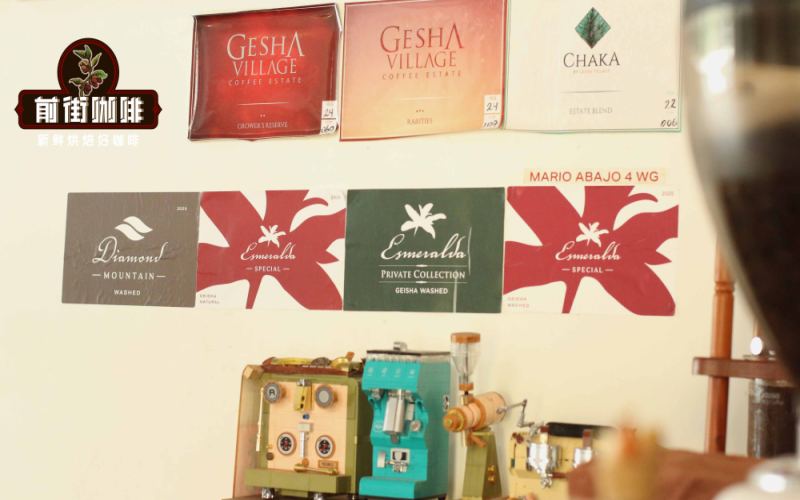
A Detailed Guide to Geisha Coffee Brand Grading: A Comprehensive Analysis of Hacienda La Esmeralda's Red, Green, and Blue Labels—Their Characteristics, Flavors, and Roasting Key Points
Geisha coffee, with its unique floral and fruity aroma and clean taste, has become a star variety in the specialty coffee world. This article systematically sorts out the main brand grades of Geisha coffee, focusing on the analysis of the red, green, and blue label grading system of Panama's Hacienda Esmeralda and its flavor differences, and introduces the representative estates of the two major producing regions, Boquete and Volcan, as well as the various Geisha and Panama specialty beans sold by Front Street Coffee. At the same time, the article also covers the differences between washed and natural processing, roasting approaches, and the producing region, altitude, variety, and flavor description of each coffee, taking you through a comprehensive understanding of the tricks behind "the taste of money." [more…]
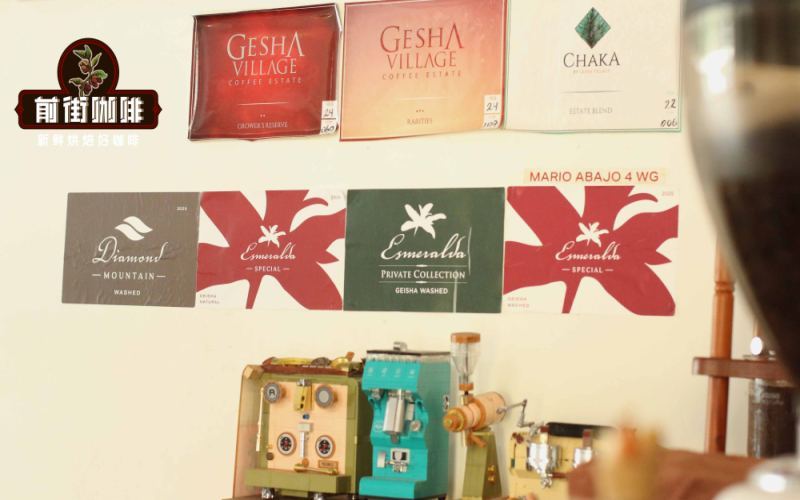
A Detailed Guide to Panama Hacienda La Esmeralda Geisha Grades: Differences and Flavor Comparison of the Three Main Grades—Red, Green, and Blue Labels
Panama's Hacienda La Esmeralda, with its refined Geisha grading system, has become a model emulated by many coffee estates. This article systematically sorts out the core differences among Hacienda La Esmeralda's three Geisha grades—Red Label, Green Label, and Blue Label—covering cultivation altitude, plot information, and blending models, while also providing an in-depth introduction to the estate's history, plot divisions, roasting recommendations, and brewing parameters. Front Street Coffee recently purchased the 2020 new-crop Blue Label Geisha, and by combining the cupping performance of the Red Label and Green Label, we guide you through a comprehensive understanding of the unique flavors and purchasing points of these three grades. [more…]
Exploring the Origins of Panama's Hacienda La Esmeralda Geisha Coffee: A Full Breakdown of the Red, Green, and Blue Grading and the Plots
Geisha coffee has frequently appeared in major coffee competitions in recent years, and Panama's Hacienda La Esmeralda is undoubtedly the most renowned representative of this variety. Front Street Coffee not only offers Geisha from Hacienda La Esmeralda in Panama, but also beans from Gesha Village in Ethiopia, the birthplace of Geisha, though the latter still falls slightly short in flavor expression. This article will systematically trace the spread of Geisha coffee from the forests of Ethiopia to the world, detail the rise of Hacienda La Esmeralda, and analyze one by one the grading standards and flavor differences of the three tiers—Red Label, Green Label, and Blue Label. It will also provide in-depth introductions to the geographical characteristics of the three major Geisha growing plots: Jaramillo, Cañas Verdes, and El Velo. Finally, it will include Front Street Coffee's brewing suggestions and flavor descriptions, offering coffee enthusiasts a complete guide to Geisha knowledge. [more…]
A Detailed Guide to Panama Hacienda La Esmeralda Geisha Grades: Red, Green, and Blue Tag Differences and the Brand's Legend
When it comes to Geisha coffee, Hacienda La Esmeralda in Panama is undoubtedly a name that cannot be avoided. This legendary estate divides its Geisha coffee beans into three grades: Red Label, Green Label, and Blue Label, each with clear differences in growing altitude, cupping score, processing method, and flavor performance. This article will take you through the legendary story of Geisha coffee from Ethiopia to Panama, analyze the unique grading system of Hacienda La Esmeralda, and compare in detail the flavor characteristics and purchasing suggestions of Red Label, Green Label, and Blue Label Geisha, helping coffee lovers gain a clearer understanding of this treasure among specialty coffees. [more…]
A Comprehensive Analysis of Geisha Coffee: From Ethiopian Origins to Panama's Red, Green, and Blue Label Grading System
In the past dozen years or so, Geisha coffee has swept through major competitions, capturing more than twenty championship trophies, even eclipsing Blue Mountain and Hawaiian Kona. This legendary bean variety originated from the Gesha Mountains in southwestern Ethiopia, journeying through Kenya, Uganda, Tanzania, and Costa Rica, before finally achieving fame at Hacienda La Esmeralda in Panama. This article will guide you through the spread of Geisha, clarify the core differences between the three grades—Red Label, Green Label, and Blue Label—explore the real reasons behind its high price, and let you experience its stunning floral and fruity tea-like flavors. Whether you are new to it or already familiar, you will find practical purchasing references here. [more…]
A Detailed Guide to Hacienda La Esmeralda Geisha Grades: Red, Green, and Blue Label Differences and Front Street Coffee Recommendations for Each Grade
Panama's Hacienda La Esmeralda Geisha coffee has always been the focus of the specialty coffee world, and its three grades—Red Label, Green Label, and Blue Label—each have their own distinctions. This article systematically sorts out Hacienda La Esmeralda's coffee grading system, analyzing in detail the specific differences between Red Label (Esmeralda Special), Green Label (Private Collection), and Blue Label (Geisha 1500, now discontinued) in terms of altitude, plot, processing method, and flavor. It also introduces the corresponding Red Label and Green Label product information from Front Street Coffee, and recommends an entry-level Front Street Coffee Boquete Geisha for beginners who are just getting to know Geisha. Whether you want to gain a deeper understanding of Hacienda La Esmeralda's marketing strategy and auction mechanism, or are looking for a Geisha coffee that suits your taste, this article can provide a clear reference. [more…]
Analysis of the Differences Between Panama Hacienda La Esmeralda Geisha Red, Green, and Blue Labels, Plus BOP Auction and Award History
Panama's Hacienda La Esmeralda Geisha coffee beans are world-renowned, but what exactly are the differences between the Red Label, Green Label, and Blue Label? From the perspective of Front Street Coffee, this article systematically sorts out the origins of the BOP (Best of Panama) green bean competition and its auction mechanism, reviews Hacienda La Esmeralda's journey from its establishment in 1964 to its rise to fame with Geisha in 2004, and analyzes in detail the microclimates and grading logic of the estate's three major plots: Jaramillo, Cañas Verdes, and El Velo. At the same time, the article will explain the definitions, altitude ranges, processing methods, and flavor characteristics of the Red Label, Green Label, and Blue Label, and provide brewing parameters recommended by Front Street Coffee, helping coffee enthusiasts fully understand the grading system and key purchasing points of Hacienda La Esmeralda Geisha. [more…]
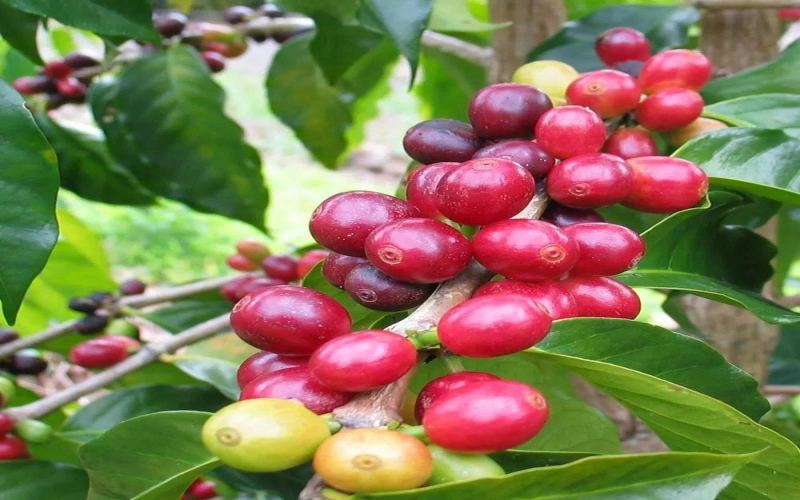
A Detailed Guide to the Grade Classifications and Flavor Differences of Panama Hacienda La Esmeralda Geisha Coffee Beans: Red Label, Green Label, and Blue Label
Geisha coffee has been highly sought after in the global specialty coffee scene in recent years, and the Geisha produced by Hacienda La Esmeralda in Panama is the benchmark among them. Faced with the different grades of Esmeralda Geisha on the market—Red Label, Green Label, Blue Label, and others—many coffee lovers are often confused: What exactly are the differences between them? Which one suits them better? This article begins with the history of Hacienda La Esmeralda, then sorts out in detail the grading criteria, growing altitudes, processing methods, and flavor characteristics of the three major grades—Red Label, Green Label, and Blue Label—and includes Front Street Coffee's brewing suggestions and flavor descriptions for each grade, helping you find the Geisha that suits you best. [more…]
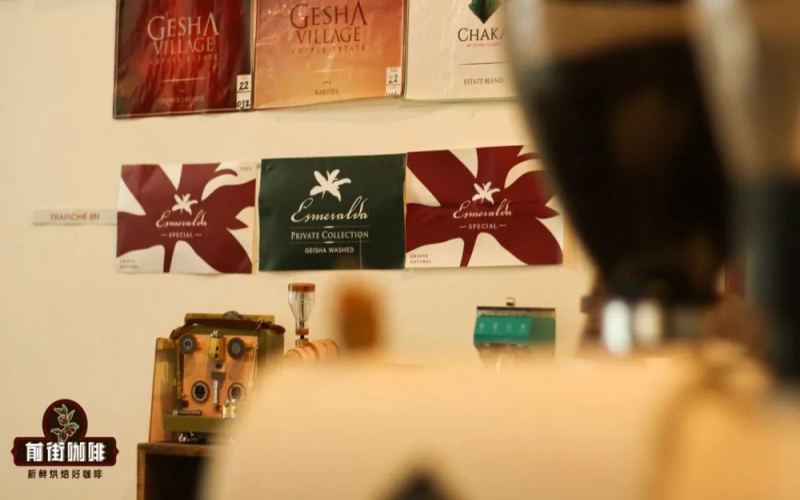
A Detailed Guide to Panama Hacienda La Esmeralda Geisha Coffee Grades: How Exactly to Choose Between Red Label, Green Label, and Blue Label
Geisha coffee has been highly sought after in the specialty coffee world in recent years, and the Geisha produced by Panama's Hacienda La Esmeralda is the benchmark among them. But when faced with the three grades—Red Label, Green Label, and Blue Label—many coffee enthusiasts often do not know where to start. What exactly do these three labels represent? What standards are they divided by? How big are the differences in flavor and price? This article will guide you through a systematic understanding of Hacienda La Esmeralda's Geisha grading system, breaking down everything from the estate's history, plot origins, and altitude to cupping performance, while also including Front Street Coffee's brewing suggestions and flavor descriptions to help you find the Geisha that suits you best. [more…]
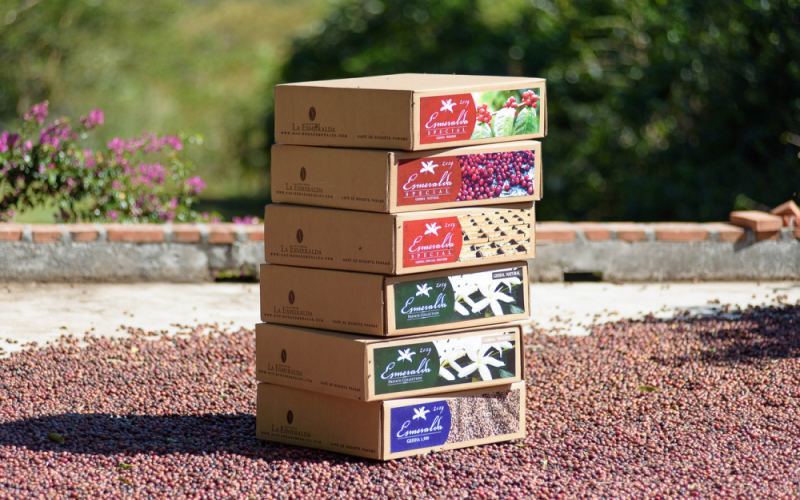
Panama Hacienda La Esmeralda Geisha Pour-Over Flavor Analysis: Red, Green, and Blue Label Differences, Roasting Parameters, and Brewing Recommendations
Geisha coffee is one of the most sought-after varieties in today's specialty coffee world, and Hacienda La Esmeralda in Panama is the key force that propelled this variety onto the global stage. From the perspective of Front Street Coffee, this article systematically traces the varietal origins and spread of Geisha, explains in detail the terroir differences among Hacienda La Esmeralda's three major plots—Jaramillo, Cañas Verdes, and El Velo—and breaks down layer by layer the characteristics and flavor profiles of the three grades: Red Label, Green Label, and Blue Label. It also includes Front Street Coffee's recommended roasting curves and pour-over parameters for each grade of Geisha, helping coffee enthusiasts fully understand the charm of this legendary bean. [more…]